Facebook
 X
X
 Pinterest
 Copy Link
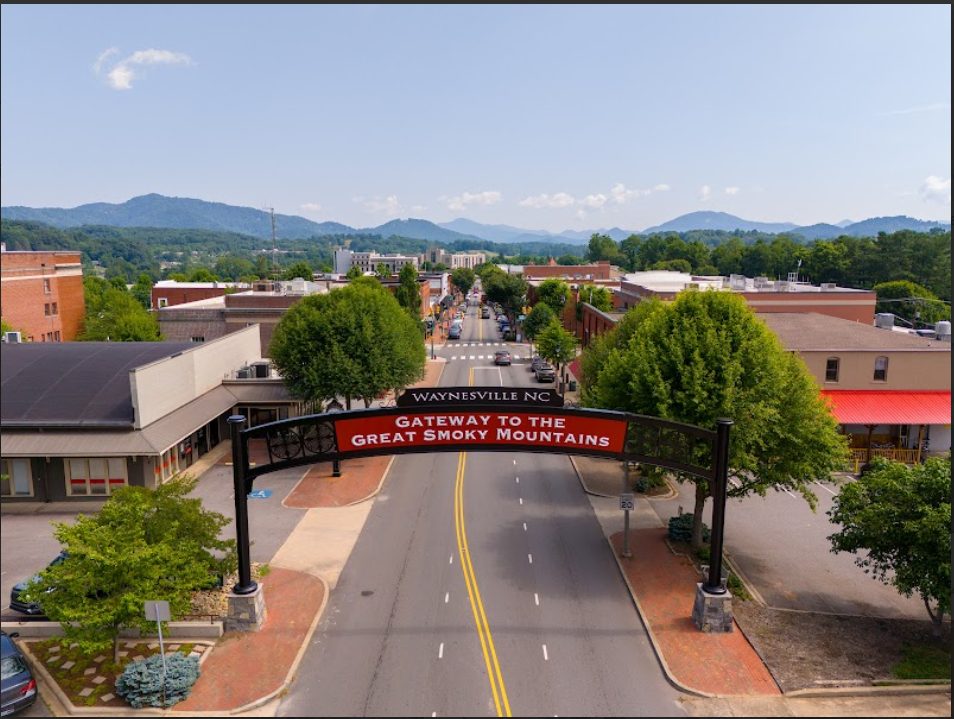
Is Waynesville NC the Right Place for You? A Local Buyer’s Guide
Living in Waynesville NC appeals to many buyers because it offers something increasingly rare in Western North Carolina, a true sense of town life paired with mountain surroundings.
One of the biggest reasons buyers start their search here is value. Homes in Haywood County, including Waynesville, often sell for well over $150,000 less than comparable homes in Asheville, while still offering access to outdoor recreation, dining, and a strong sense of community. For many buyers, that difference changes what is possible.
As a local real estate team rooted in Haywood County, we help buyers look beyond headlines and really understand whether Waynesville fits their lifestyle, budget, and long-term goals. (Visit us at https://reveliapropertysolutions.com/testimonials/testimonials )
Why Do So Many Buyers Start Their Search in Waynesville?
Buyers start their search in Waynesville because it combines convenience, character, and community in a way few mountain towns do.
Waynesville is the county seat and the largest town in Haywood County, with a population of around 10,000. It offers medical services, shopping, dining, and events that make day-to-day life easier than in more remote areas, without feeling crowded or overdeveloped.
For buyers relocating from larger cities, Waynesville often feels like a comfortable middle ground, active but not hectic, connected but still close to nature.
What Is Everyday Life Like in Waynesville NC?
Everyday life in Waynesville is shaped by routine and rhythm with an added element of short term rental appeal.
Residents shop locally, attend seasonal festivals, and spend time outdoors year-round. It is common to see neighbors walking downtown, gathering at community events, or heading toward nearby hiking trails and waterways. (https://www.downtownwaynesville.com/events)
Unlike more tourism-driven towns, Waynesville maintains a year-round residential feel, which appeals to buyers looking for stability rather than constant turnover.
What Makes Downtown Waynesville So Appealing?
Downtown Waynesville is appealing because it feels authentic and lived-in, not curated for visitors.
Main Street features brick sidewalks, local shops, restaurants, and galleries, while the nearby Frog Level Historic District adds charm with restored warehouse buildings and creekside patios.
Festivals, parades, and community gatherings keep the downtown active throughout the year, creating a sense of place that many buyers specifically seek.
Which Communities Around Waynesville Should Buyers Know About?
Waynesville is surrounded by distinct communities, each offering a slightly different lifestyle.
Hazelwood was once its own town and is now a thriving shopping and dining area with easy access to downtown.
Saunook offers a quieter valley setting just outside town, appealing to buyers who want space without feeling remote.
Dellwood connects Waynesville to Maggie Valley and continues to grow with residential and commercial development.
Lake Junaluska is a lakeside community that has evolved into a full-time residential area, known for walking paths, views, and a slower pace of life.
Balsam, located at higher elevation near the Blue Ridge Parkway, offers cooler temperatures, historic inns, and a distinct mountain feel while still being tied to Waynesville for daily needs.
Understanding these differences is key to finding the right fit within the broader Waynesville area.
How Does Waynesville Compare to Maggie Valley, Clyde, and Canton?
Waynesville differs from nearby towns in both pace and function.
Compared to Maggie Valley, Waynesville is less tourism-driven and more residential, making it better suited for full-time living.
Compared to Clyde, Waynesville offers more amenities, walkability, and commercial activity.
Compared to Canton, Waynesville has a more established downtown and a broader mix of housing options, though Canton often offers lower price points and larger lots.
Many buyers explore all four towns before deciding, and the right choice often comes down to lifestyle priorities rather than price alone.
What Types of Homes Do Buyers Find in Waynesville?
Homes in Waynesville range from historic properties near downtown to newer construction in surrounding communities.
Buyers will find:
- Older homes with character and established neighborhoods
- Mid-century and ranch-style homes
- Newer builds in developing corridors
- Condos and townhomes near Lake Junaluska and downtown
Construction quality, lot characteristics, and long-term maintenance considerations vary widely, which is why understanding the specifics of each property matters.
Who Is Waynesville a Great Fit For, and Who Might Look Elsewhere?
Waynesville is a great fit for buyers who value walkability (if close to downtown), community events, and convenience.
It often appeals to professionals, retirees, and families who want access to services without the pace or pricing of larger markets.
You can also find complete seclusion, large acreage, or heavy short term rental exposure in pockets as well as in neighboring Haywood County towns.
What Should Buyers Consider Before Choosing Waynesville?
Before choosing Waynesville, buyers should consider how close they want to be to downtown, their tolerance for traffic during peak seasons, and how different neighborhoods function day to day.
It is also important to understand how terrain, drainage, and construction styles vary across the area, especially when comparing homes built decades apart.
Local insight helps buyers understand not just what a home looks like, but how it will live over time.
How Local Knowledge Helps Buyers Choose the Right Neighborhood
Local knowledge matters because no two parts of Waynesville feel the same.
Knowing which streets see more activity, which valleys hold moisture, or which areas offer the best long-term livability helps buyers make confident decisions.
Our goal is to help buyers choose a home and a location that truly fits, not just one that looks good on paper.
Frequently Asked Questions
Is Waynesville a good place to retire?
Yes. Many retirees choose Waynesville for its medical access, walkability, and slower pace compared to larger cities, while still enjoying mountain surroundings.
Is Waynesville walkable?
Downtown Waynesville and Lake Junaluska are among the most walkable areas, while other communities are more car-dependent.
How does Waynesville compare to Asheville?
Waynesville offers a smaller-town feel with significantly lower home prices, while still providing access to dining, arts, and outdoor recreation.
Are home prices higher in Waynesville than other Haywood County towns?
Prices vary by neighborhood, but Waynesville generally sits in the middle of the Haywood County market, offering a balance of value and amenities.
Final Thoughts
Waynesville is often the starting point for buyers exploring Haywood County, and for good reason.
Understanding how it compares to nearby towns, how its communities differ, and how homes perform long term allows buyers to move forward with clarity.
Finding the right place to live starts with understanding the place itself.

Ready to Make Your Move in Western North Carolina?
We help buyers and sellers across Western North Carolina, including Haywood, Jackson, and Buncombe counties, move forward with clarity and confidence.
Jason Revelia
Call 828-342-1334 |
Email Jason
Shannon Revelia
Call 828-226-6767 |
Email Shannon