
 Facebook
 X
X
 Pinterest
 Copy Link
A Guide to Western North Carolina Counties: Where to Live, What to Expect, and How They Compare
Western North Carolina is often talked about as one place—but in reality, it’s a collection of very different counties, each with its own pace, elevation, price points, and lifestyle.
For buyers considering a move to the mountains, understanding how these counties differ is one of the most helpful steps in narrowing down where to focus your search.
This guide takes a deeper look at the key counties across Western North Carolina—covering lifestyle, elevation, pricing trends, and what draws people to each area.
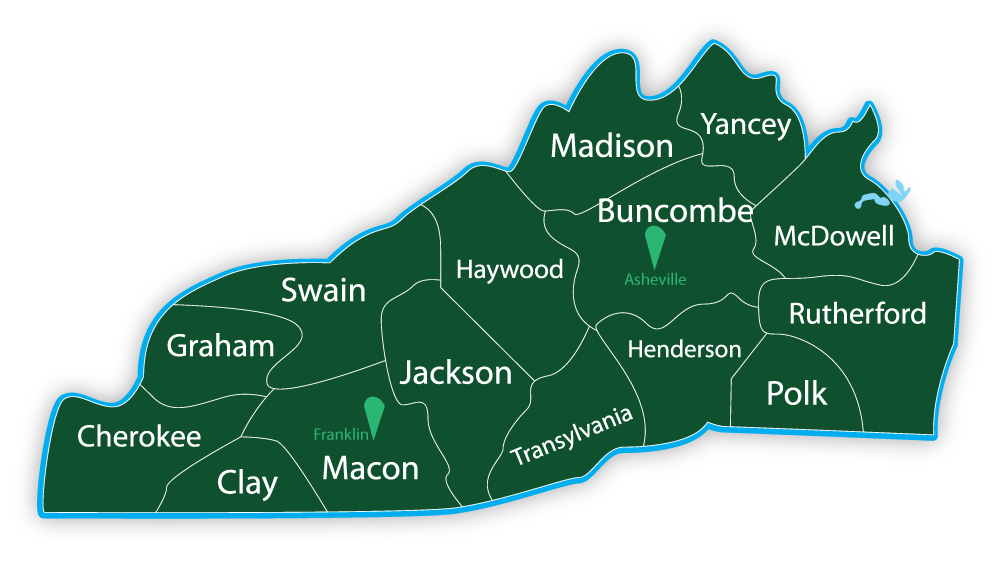
Haywood County
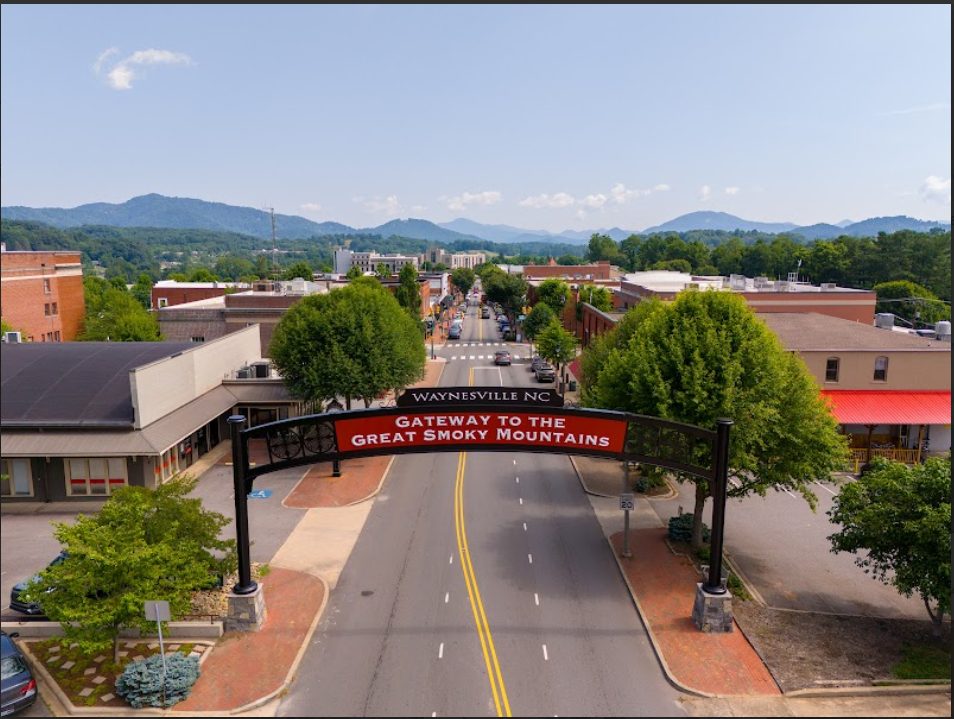
Key towns: Waynesville, Maggie Valley, Canton, Clyde, Lake Junaluska
Elevation: ~2,500 – 6,000+ ft
Population: ~62,000
Vibe: Balanced, local, and livable
Haywood County is often considered one of the most well-rounded places to live in Western North Carolina. It offers a strong sense of community, multiple established towns, and easy access to outdoor recreation without feeling overly crowded.
Waynesville serves as the hub, with a walkable downtown, restaurants, and year-round activity. Maggie Valley leans more toward vacation homes and short-term rentals, while Canton and Clyde offer more affordability and space.
What draws people here
- Strong local community feel
- Variety of price points and property types
- Easy access to both the Blue Ridge Parkway and Great Smoky Mountains National Park
- Four-season climate without extreme winters
Price expectations
- Entry-level: ~$275K–$375K
- Mid-range: ~$400K–$650K
- High-end: $700K+ (views, newer builds, Lake Junaluska)
Helpful Links:
- Haywood County Tourism Development Authority: Explore the wonders of the region and plan your trip with valuable information at visitncsmokies.com.
- Downtown Waynesville Association: Immerse yourself in the charm of downtown Waynesville by visiting downtownwaynesville.com.
- Maggie Valley: Discover the allure of Maggie Valley and plan your stay at maggievalley.org.
- Maggie Valley Festival Grounds: Stay informed about events and festivities at the Maggie Valley Festival Grounds by visiting maggievalleyfestivalgrounds.com.
- Town Of Canton: Learn more about the town of Canton and its offerings at cantonnc.com.
- Town of Clyde: Learn more about the town of Clyde and its offerings at clydenc.us.
- Cataloochee in Great Smoky Mountains National Park: Experience the natural beauty of Cataloochee within the Great Smoky Mountains National Park by visiting nps.gov/grsm/planyourvisit/cataloochee.htm.
Buncombe County
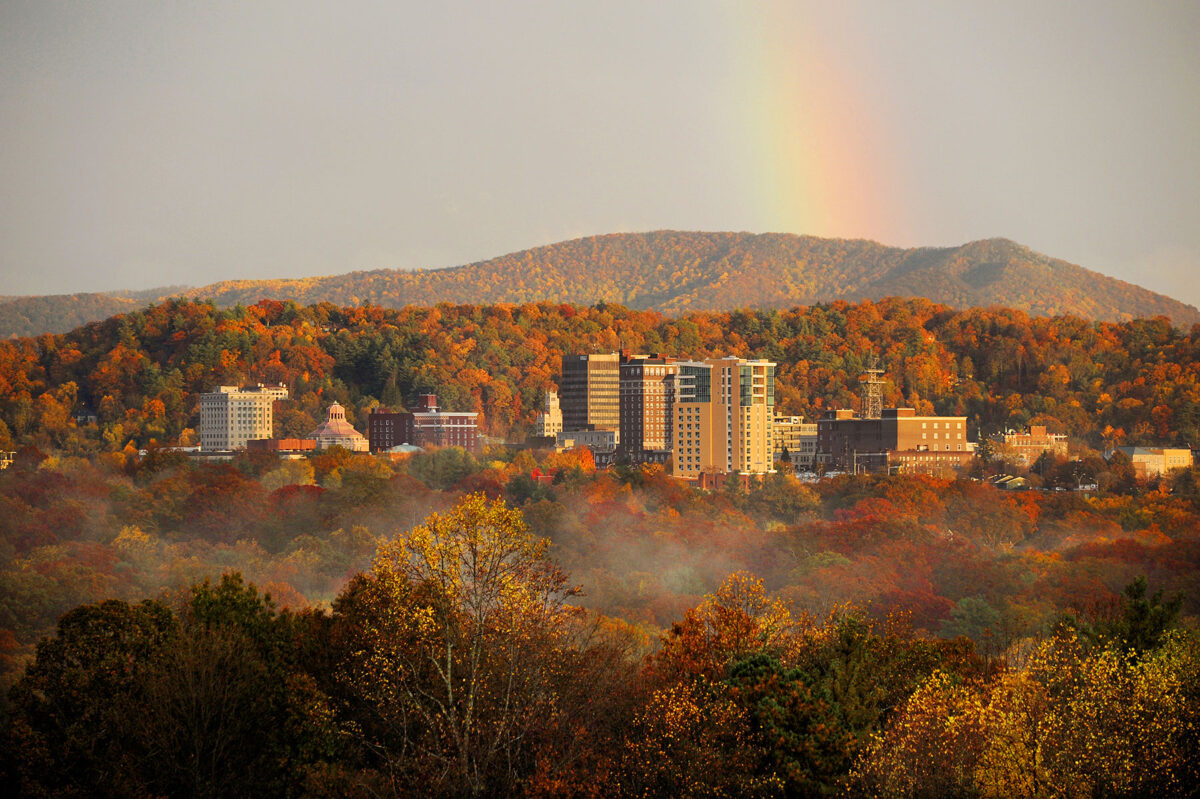
Key towns: Asheville, Weaverville, Black Mountain, Arden
Elevation: ~2,100 – 6,200 ft
Population: ~275,000
Vibe: Urban, cultural, and energetic
Buncombe County is home to Asheville, the largest city in Western North Carolina. It offers the most in terms of healthcare, restaurants, breweries, arts, and employment opportunities.
This is the most “city-like” environment in the region, while still surrounded by mountains.
What draws people here
- Food and brewery scene
- Arts and music culture
- Healthcare access
- Walkable neighborhoods
Price expectations
- Entry-level: ~$350K–$450K
- Mid-range: ~$500K–$800K
- High-end: $900K+
Prices tend to be higher due to demand and amenities.
Madison County
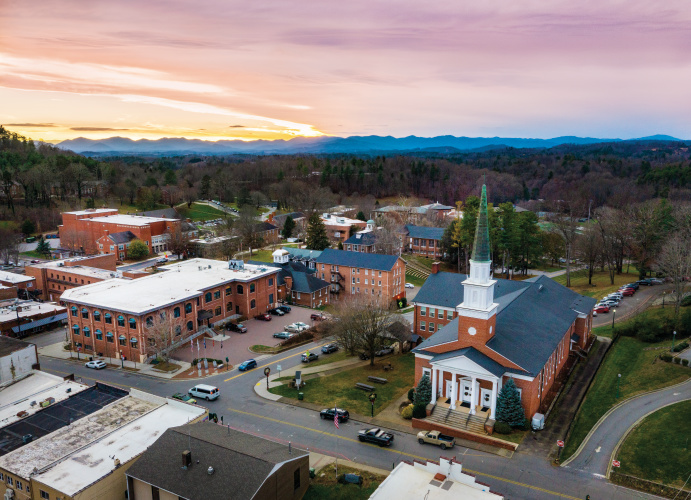
Downtown Mars Hill.
©Journal Communications/Nathan Lambrecht
Key towns: Marshall, Mars Hill, Hot Springs
Elevation: ~1,700 – 5,500+ ft
Population: ~22,000
Vibe: Rural, scenic, and less developed
Madison County sits just north of Buncombe County but feels very different. While it offers proximity to Asheville, it maintains a more rural and traditional mountain character.
Marshall, located along the French Broad River, has seen steady revitalization in recent years, with small businesses, restaurants, and local art contributing to its growth. Mars Hill is home to Mars Hill University, adding a small college-town element to the county.
What draws people here
- More privacy and land
- Lower density than Buncombe County
- Proximity to Asheville without the same pricing
- Scenic farmland and mountain views
Price expectations
- Entry-level: ~$275K–$375K
- Mid-range: ~$400K–$600K
- Higher-end homes with views or acreage: $650K+
Madison County is often a good fit for buyers looking for a quieter lifestyle while still staying within reach of Asheville.
Jackson County
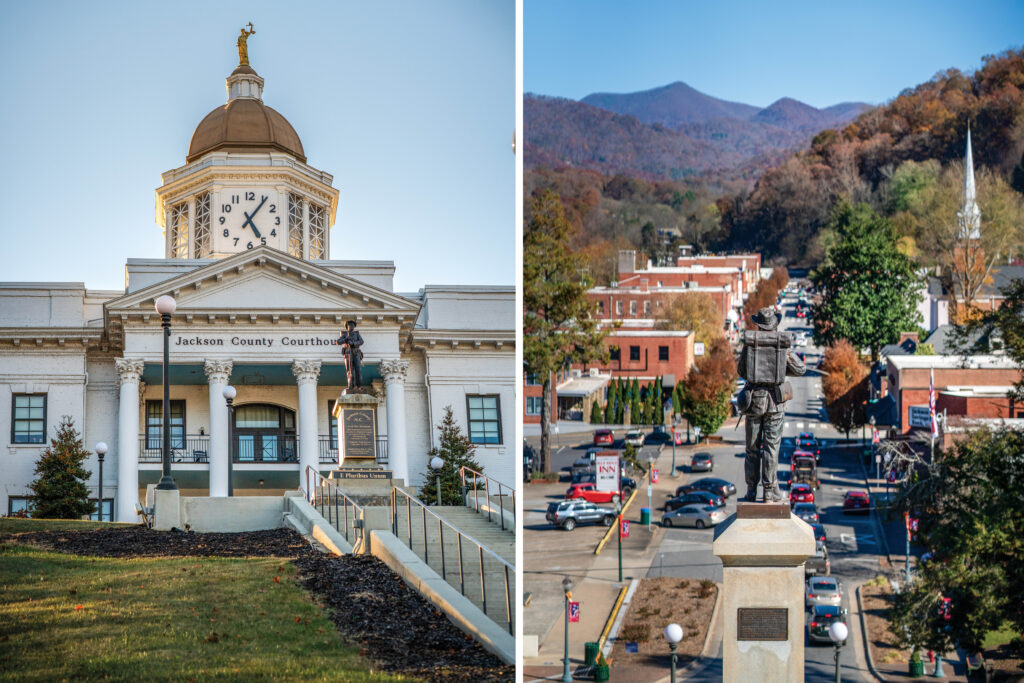
A view of downtown Sylva, NC ©Journal Communications/Lynne Harty
Key towns: Sylva, Cullowhee, Cashiers, Dillsboro
Elevation: ~2,000 – 6,200+ ft
Population: ~44,000
Vibe: Split between college-town energy and luxury mountain living
Jackson County is one of the more diverse counties in terms of lifestyle. Cullowhee is home to Western Carolina University, bringing a younger energy to the area.
At the same time, Cashiers represents one of the most upscale mountain markets in the Southeast, with high-end homes and strong second-home demand.
What draws people here
- Variety of lifestyles in one county
- Strong outdoor recreation access
- High-end mountain communities in Cashiers
- College-town energy near Sylva/Cullowhee
Price expectations
- Sylva/Cullowhee: ~$300K–$600K
- Cashiers: $800K–$3M+
Macon County
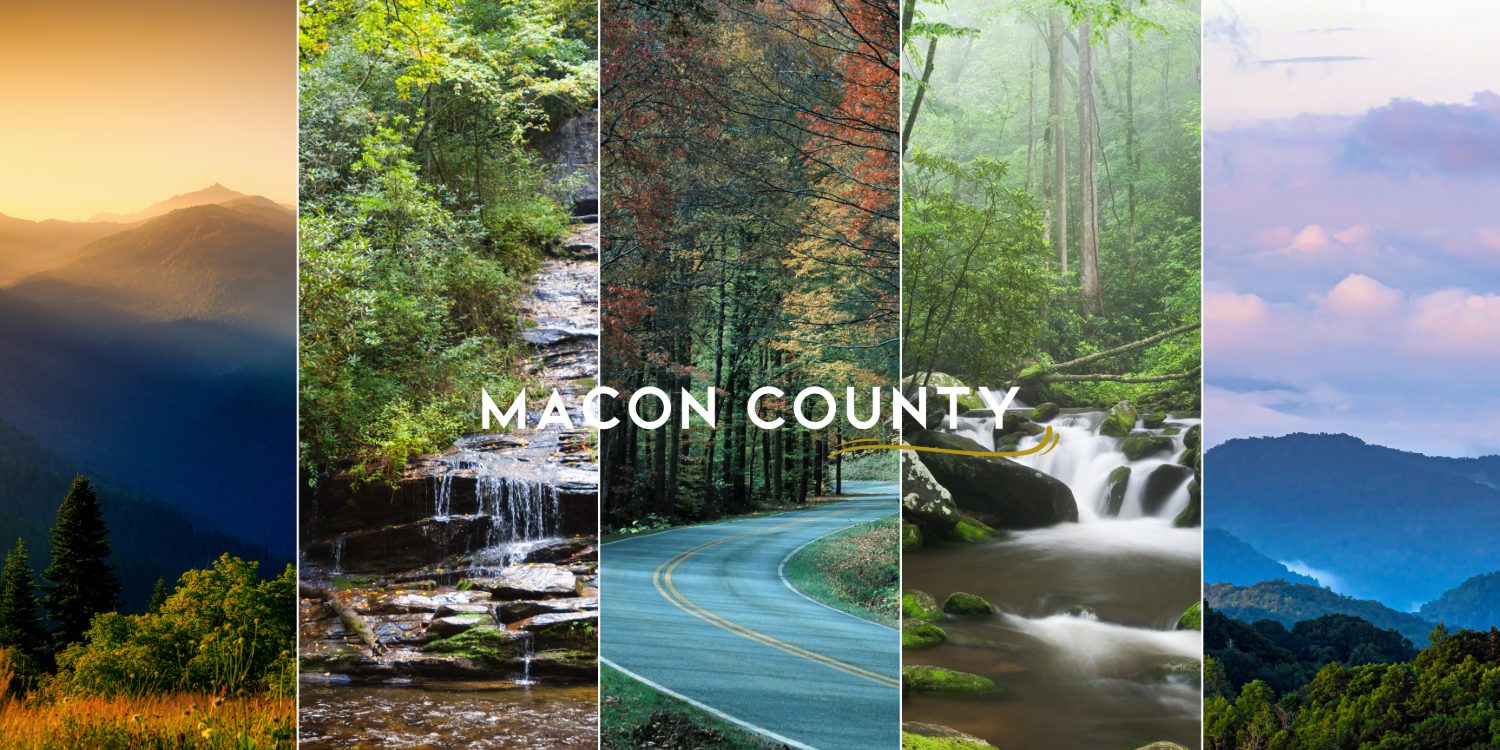
Key towns: Franklin, Highlands (partially)
Elevation: ~2,000 – 5,500 ft
Population: ~37,000
Vibe: Rural, laid-back, and value-oriented
Macon County offers a quieter pace of life and is often more affordable than neighboring counties. Franklin serves as the main hub with everyday amenities, while Highlands (partially in Macon) offers a more upscale market.
What draws people here
- Lower price points
- Larger parcels of land
- Less density and traffic
- Appalachian Trail access
Price expectations
- Entry-level: ~$250K–$350K
- Mid-range: ~$400K–$600K
- Highlands: significantly higher
Swain County
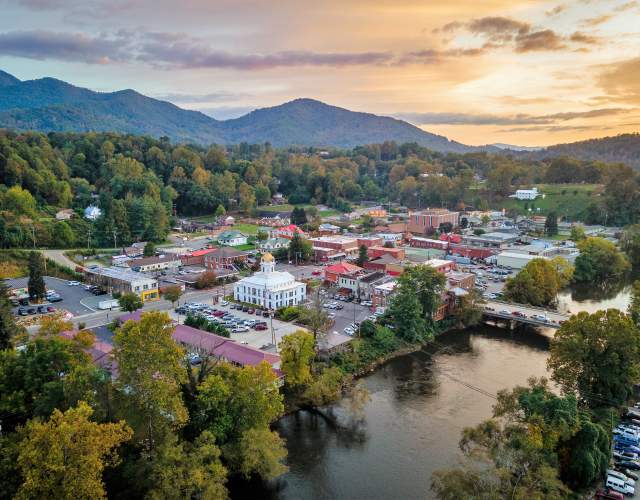
Key towns: Bryson City, Cherokee
Elevation: ~1,700 – 6,600 ft
Population: ~14,000
Vibe: Outdoor-focused, tourism-driven, quieter
Swain County is one of the least populated counties in Western North Carolina and is heavily driven by tourism and outdoor recreation.
Bryson City is a popular destination for visitors, while Cherokee offers a unique cultural experience.
What draws people here
- Access to Great Smoky Mountains National Park
- Fontana Lake
- Fishing, rafting, and hiking
- Strong vacation rental demand
Price expectations
- Entry-level: ~$275K–$375K
- Mid-range: ~$400K–$650K
- STR-focused homes can exceed this
Henderson County
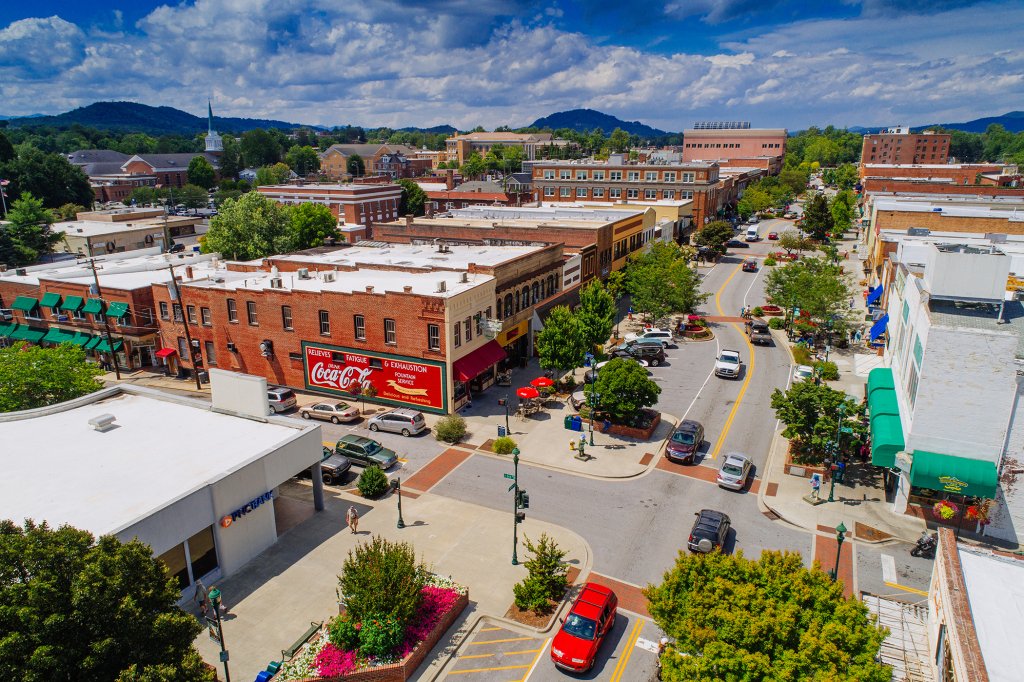
Key towns: Hendersonville, Flat Rock
Elevation: ~2,100 – 4,500 ft
Population: ~120,000
Vibe: Milder climate, established, and retirement-friendly
Henderson County is known for its slightly lower elevation, which often results in milder winters and longer growing seasons.
It’s a popular destination for retirees and those looking for a balance between mountain living and accessibility.
What draws people here
- Walkable downtown Hendersonville
- Apple orchards and seasonal events
- Close proximity to Asheville
- More moderate terrain
Price expectations
- Entry-level: ~$350K–$450K
- Mid-range: ~$500K–$750K
- High-end: $800K+
Transylvania County
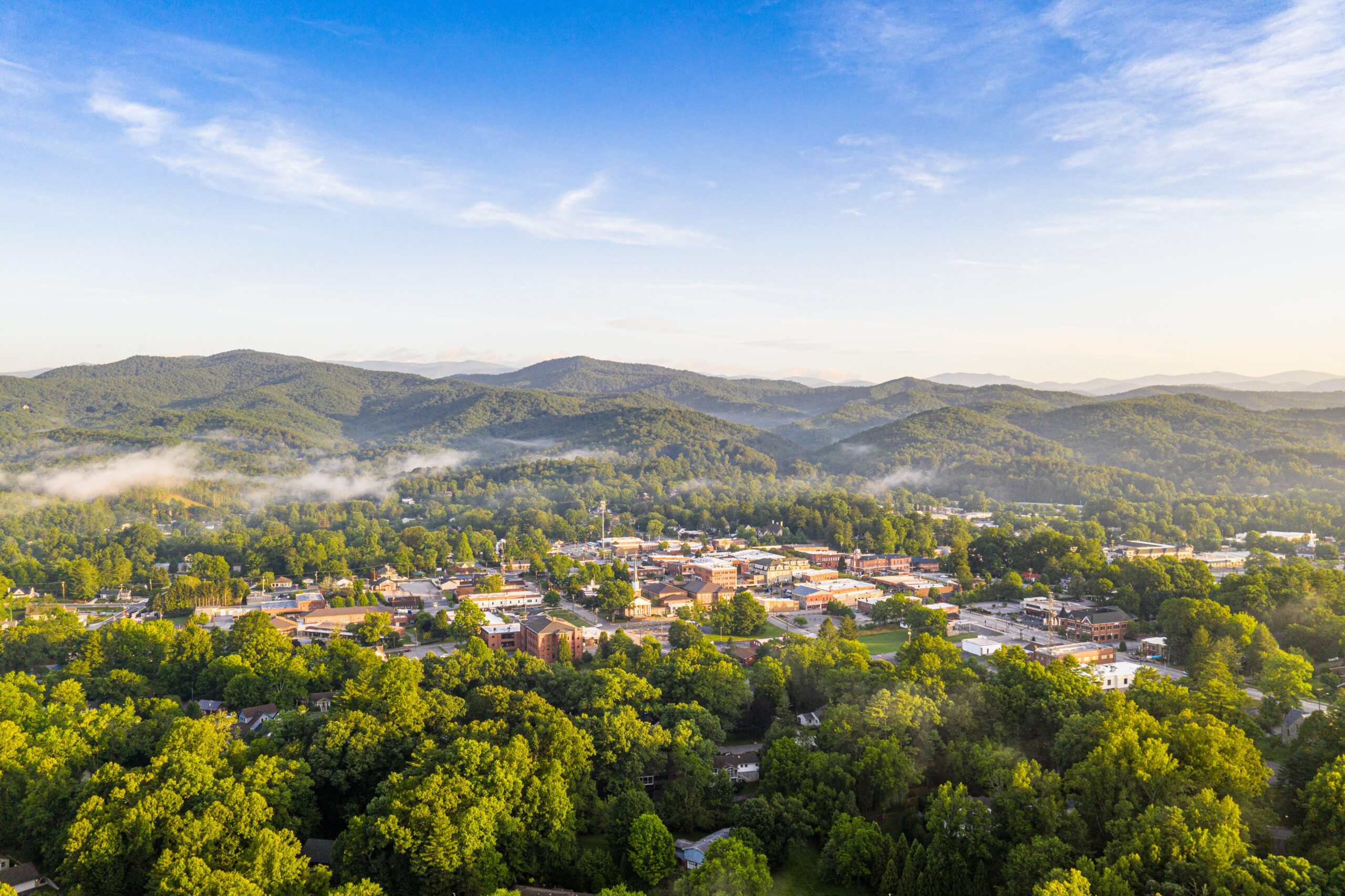
Key towns: Brevard, Rosman
Elevation: ~2,200 – 6,000 ft
Population: ~34,000
Vibe: Nature-focused, outdoorsy, and scenic
Transylvania County is often called the “Land of Waterfalls,” and it’s easy to see why. The area is surrounded by forests, rivers, and some of the most iconic outdoor recreation in the state.
What draws people here
- Pisgah National Forest
- Dozens of waterfalls
- Hiking and mountain biking
- Strong second-home market
Price expectations
- Entry-level: ~$350K–$450K
- Mid-range: ~$500K–$750K
- High-end: $800K+
How Elevation Actually Works Across Western North Carolina
One thing that can be confusing when looking at Western North Carolina is that many counties show similar elevation ranges on paper.
For example, several counties may range from roughly 2,000 feet to over 6,000 feet.
But in practice, they can feel very different.
That’s because what matters most isn’t just the total elevation range—it’s where the majority of homes and towns are located within that range.
Counties with More Homes at Lower Elevations
Some counties have a larger percentage of homes located in valley areas or lower elevations.
This typically means:
- easier year-round access
- less snow and ice
- slightly warmer temperatures
Examples include:
- Henderson County (Hendersonville area)
- Macon County (Franklin area)
- Parts of Swain County (Bryson City)
These areas tend to feel more moderate overall, even though higher elevations still exist within the county.
Counties with a More Even Elevation Mix
Some counties offer a true mix of elevations, with population spread across valleys, hillsides, and mountain communities.
This creates a range of living environments within the same county.
Examples include:
- Haywood County
- Buncombe County
- Jackson County (Sylva/Cullowhee areas)
In these areas, two homes just 15–20 minutes apart can sit at very different elevations and feel completely different.
Areas with Higher Elevation Concentration
Certain parts of Western North Carolina have a higher concentration of homes at elevation, even if they’re within a county that also includes lower terrain.
These areas tend to have:
- cooler summer temperatures
- more frequent winter weather
- steeper terrain and larger views
Examples include:
- Haywood County
- Cashiers (Jackson County)
- Highlands (Macon County)
These areas often deliver the “classic mountain feel” many buyers are looking for.
A Simple Rule of Thumb
A helpful way to think about elevation when comparing areas:
- Below ~2,500 ft: milder temperatures, easier access, less snow
- 2,500–3,500 ft: balanced mountain living, four seasons
- Above ~3,500 ft: cooler summers, more winter impact, bigger views
The Bottom Line
Even though counties may look similar on a map, the distribution of elevation within each county plays a big role in how it feels to live there.
Understanding that difference can help buyers narrow down not just where they want to live—but how they want to experience the mountains.

Ready to Make Your Move in Western North Carolina?
We help buyers and sellers across Western North Carolina, including Haywood, Jackson, and Buncombe counties, move forward with clarity and confidence.
Jason Revelia
Call 828-342-1334 |
Email Jason
Shannon Revelia
Call 828-226-6767 |
Email Shannon


