
 Facebook
 X
X
 Pinterest
 Copy Link
Living in Waynesville NC: A Buyer’s Guide
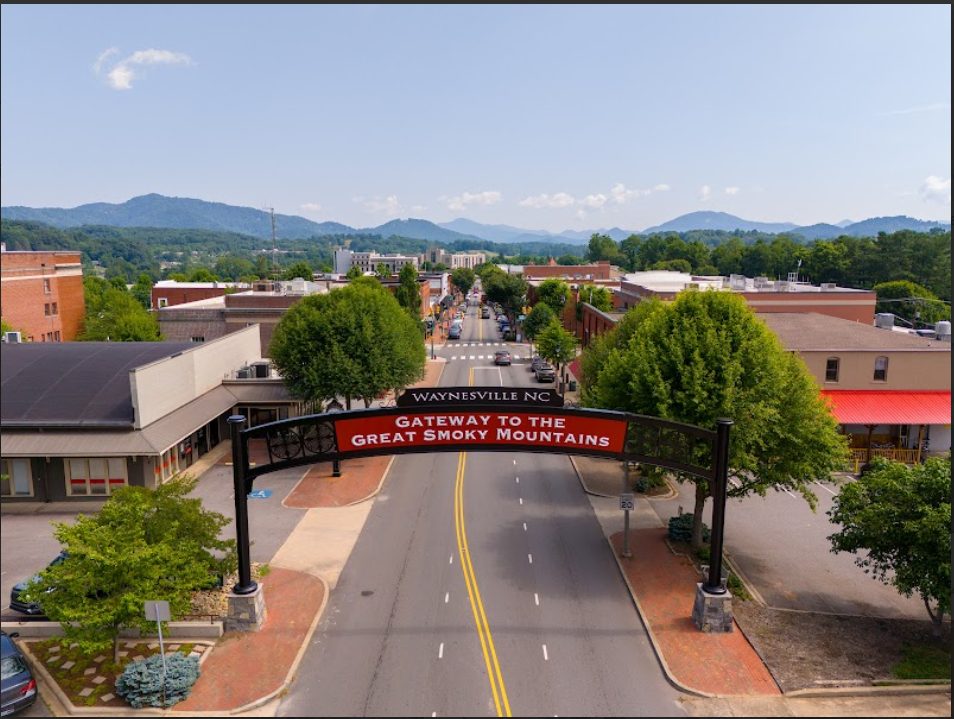
Is Waynesville NC the Right Place for You? A Local Buyer’s Guide
Living in Waynesville NC appeals to many buyers because it offers something increasingly rare in Western North Carolina, a true sense of town life paired with mountain surroundings.
One of the biggest reasons buyers start their search here is value. Homes in Haywood County, including Waynesville, often sell for well over $150,000 less than comparable homes in Asheville, while still offering access to outdoor recreation, dining, and a strong sense of community. For many buyers, that difference changes what is possible.
As a local real estate team rooted in Haywood County, we help buyers look beyond headlines and really understand whether Waynesville fits their lifestyle, budget, and long-term goals. (Visit us at https://reveliapropertysolutions.com/testimonials/testimonials )
Why Do So Many Buyers Start Their Search in Waynesville?
Buyers start their search in Waynesville because it combines convenience, character, and community in a way few mountain towns do.
Waynesville is the county seat and the largest town in Haywood County, with a population of around 10,000. It offers medical services, shopping, dining, and events that make day-to-day life easier than in more remote areas, without feeling crowded or overdeveloped.
For buyers relocating from larger cities, Waynesville often feels like a comfortable middle ground, active but not hectic, connected but still close to nature.
What Is Everyday Life Like in Waynesville NC?
Everyday life in Waynesville is shaped by routine and rhythm with an added element of short term rental appeal.
Residents shop locally, attend seasonal festivals, and spend time outdoors year-round. It is common to see neighbors walking downtown, gathering at community events, or heading toward nearby hiking trails and waterways. (https://www.downtownwaynesville.com/events)
Unlike more tourism-driven towns, Waynesville maintains a year-round residential feel, which appeals to buyers looking for stability rather than constant turnover.
What Makes Downtown Waynesville So Appealing?
Downtown Waynesville is appealing because it feels authentic and lived-in, not curated for visitors.
Main Street features brick sidewalks, local shops, restaurants, and galleries, while the nearby Frog Level Historic District adds charm with restored warehouse buildings and creekside patios.
Festivals, parades, and community gatherings keep the downtown active throughout the year, creating a sense of place that many buyers specifically seek.
Which Communities Around Waynesville Should Buyers Know About?
Waynesville is surrounded by distinct communities, each offering a slightly different lifestyle.
Hazelwood was once its own town and is now a thriving shopping and dining area with easy access to downtown.
Saunook offers a quieter valley setting just outside town, appealing to buyers who want space without feeling remote.
Dellwood connects Waynesville to Maggie Valley and continues to grow with residential and commercial development.
Lake Junaluska is a lakeside community that has evolved into a full-time residential area, known for walking paths, views, and a slower pace of life.
Balsam, located at higher elevation near the Blue Ridge Parkway, offers cooler temperatures, historic inns, and a distinct mountain feel while still being tied to Waynesville for daily needs.
Understanding these differences is key to finding the right fit within the broader Waynesville area.
How Does Waynesville Compare to Maggie Valley, Clyde, and Canton?
Waynesville differs from nearby towns in both pace and function.
Compared to Maggie Valley, Waynesville is less tourism-driven and more residential, making it better suited for full-time living.
Compared to Clyde, Waynesville offers more amenities, walkability, and commercial activity.
Compared to Canton, Waynesville has a more established downtown and a broader mix of housing options, though Canton often offers lower price points and larger lots.
Many buyers explore all four towns before deciding, and the right choice often comes down to lifestyle priorities rather than price alone.
What Types of Homes Do Buyers Find in Waynesville?
Homes in Waynesville range from historic properties near downtown to newer construction in surrounding communities.
Buyers will find:
- Older homes with character and established neighborhoods
- Mid-century and ranch-style homes
- Newer builds in developing corridors
- Condos and townhomes near Lake Junaluska and downtown
Construction quality, lot characteristics, and long-term maintenance considerations vary widely, which is why understanding the specifics of each property matters.
Who Is Waynesville a Great Fit For, and Who Might Look Elsewhere?
Waynesville is a great fit for buyers who value walkability (if close to downtown), community events, and convenience.
It often appeals to professionals, retirees, and families who want access to services without the pace or pricing of larger markets.
You can also find complete seclusion, large acreage, or heavy short term rental exposure in pockets as well as in neighboring Haywood County towns.
What Should Buyers Consider Before Choosing Waynesville?
Before choosing Waynesville, buyers should consider how close they want to be to downtown, their tolerance for traffic during peak seasons, and how different neighborhoods function day to day.
It is also important to understand how terrain, drainage, and construction styles vary across the area, especially when comparing homes built decades apart.
Local insight helps buyers understand not just what a home looks like, but how it will live over time.
How Local Knowledge Helps Buyers Choose the Right Neighborhood
Local knowledge matters because no two parts of Waynesville feel the same.
Knowing which streets see more activity, which valleys hold moisture, or which areas offer the best long-term livability helps buyers make confident decisions.
Our goal is to help buyers choose a home and a location that truly fits, not just one that looks good on paper.
Frequently Asked Questions
Is Waynesville a good place to retire?
Yes. Many retirees choose Waynesville for its medical access, walkability, and slower pace compared to larger cities, while still enjoying mountain surroundings.
Is Waynesville walkable?
Downtown Waynesville and Lake Junaluska are among the most walkable areas, while other communities are more car-dependent.
How does Waynesville compare to Asheville?
Waynesville offers a smaller-town feel with significantly lower home prices, while still providing access to dining, arts, and outdoor recreation.
Are home prices higher in Waynesville than other Haywood County towns?
Prices vary by neighborhood, but Waynesville generally sits in the middle of the Haywood County market, offering a balance of value and amenities.
Final Thoughts
Waynesville is often the starting point for buyers exploring Haywood County, and for good reason.
Understanding how it compares to nearby towns, how its communities differ, and how homes perform long term allows buyers to move forward with clarity.
Finding the right place to live starts with understanding the place itself.

Ready to Make Your Move in Western North Carolina?
We help buyers and sellers across Western North Carolina, including Haywood, Jackson, and Buncombe counties, move forward with clarity and confidence.
Jason Revelia
Call 828-342-1334 |
Email Jason
Shannon Revelia
Call 828-226-6767 |
Email Shannon
Red Flags Buyers Miss When Touring Homes in Western North Carolina
What Red Flags Buyers Often Miss During Home Showings in Western North Carolina
Touring homes in the mountains of Western North Carolina is exciting, but that excitement is exactly why important red flags can be easy to miss.
It is easy to walk into a showing focused on layout, views, and how the home feels. Experienced agents walk in looking at how the home functions, how it handles water, how it was built, and how it is likely to perform over time.
When buyers tour homes with us, the goal is simple. We want you to see the home with your eyes wide open so you can make a confident decision, not an emotional one.
Why Do Buyers Miss Red Flags During Home Showings?
Buyers miss red flags during showings because emotion naturally takes the lead. These mountains are beautiful…it is easy to spend your time looking off the deck at the view instead of looking at construction details.
When a home feels right, it is easy to overlook subtle signs that something may need further evaluation. Add in time pressure, competition, or beautiful staging, and small concerns often get mentally filed away or ignored.
This is completely normal. The key is having someone with you who knows when to pause, look closer, and ask the right questions before moving on.
What Does It Mean to Look at a Home With “Eyes Wide Open”?
Looking at a home with eyes wide open means evaluating what you see and what you do not see.
It means paying attention to patterns, not just isolated details. One crack or one stain may not mean much. Multiple clues pointing to the same issue often do.
This approach does not mean assuming the worst. It means understanding the home clearly so surprises do not show up after closing.
What Exterior Red Flags Do Buyers Commonly Overlook?
Exterior red flags are often missed because buyers focus on views and curb appeal instead of performance.
Some common things buyers overlook include:
- Water flowing toward the home instead of away from it
- Downspouts that discharge too close to the foundation
- Cracks or separation in foundation walls or retaining walls
- Driveways or walkways pulling away from the structure
Western North Carolina is actually classified as a “temperate rain forest”…so water management is one of the most important long-term factors in how a home holds up.
What Interior Warning Signs Are Easy to Miss?
Interior warning signs are easy to miss because fresh paint and finishes draw attention.
Buyers often overlook doors that stick, floors that slope slightly, or cracks that repeat in multiple rooms. These details may be minor, but together they can point to movement or moisture issues.
It is also important to notice odors, humidity, or rooms that feel noticeably different from the rest of the house.
What Crawl Space and Foundation Issues Do Buyers Rarely Notice?
Crawl space and foundation issues are rarely noticed because buyers often do not see them at all.
Access panels may be hidden, blocked, or difficult to reach during a showing. When visible, signs like standing water, heavy moisture, sagging insulation, or makeshift supports deserve attention.
In mountain environments, crawl space conditions often tell you more about a home than any updated kitchen ever will.
How Can Fresh Renovations Sometimes Hide Problems?
Fresh renovations can hide problems when cosmetic updates are used to cover, not correct, underlying issues.
New flooring over uneven surfaces, newly finished basement spaces, or fresh drywall patches can sometimes signal previous water or structural concerns.
Renovations are not a bad thing. The key is understanding what was updated, why it was updated, and whether the underlying issue was truly addressed.
Why Do Mountain Homes Require a Different Way of Looking?
Mountain homes require a different way of looking because terrain, weather, and access affect construction long term.
Steep slopes, heavy rain, and limited access can amplify small construction mistakes over time. Drainage, retaining systems, and foundation design matter more here than in flatter regions.
A home that performs well in the mountains was usually designed and maintained with these realities in mind.
How Does Touring Homes With an Experienced Team Change What You See?
Touring homes with an experienced team changes what you see because you are not evaluating alone.
We help buyers slow down, notice patterns, and understand which concerns are manageable and which deserve deeper evaluation. The goal is clarity, not fear.
Seeing a home clearly before making an offer leads to better decisions, stronger negotiations, and far fewer regrets.
Reach Out!
Buying a home in Western North Carolina should feel exciting and confident, not uncertain.
When you tour homes with eyes wide open, you understand what you are buying, what questions to ask, and what truly matters long term.
If you want experienced guidance while touring homes, or simply want help seeing past the surface, we are always happy to walk through the process with you.
Frequently Asked Questions
Should agents point out concerns during a showing or wait for the inspection?
It is always helpful to note concerns early. Some issues affect whether a home is worth pursuing at all, while others can be evaluated more closely during inspection.
Are cosmetic updates a bad sign when buying a home?
Not necessarily. Cosmetic updates are common, but buyers should understand whether updates were made for style or to address underlying issues.
How can buyers stay objective when they love a house?
Bringing a neutral perspective helps. Slowing down, asking questions, and touring with experienced guidance keeps emotion and logic balanced.
Is it normal to feel unsure after touring homes?
Yes. Uncertainty is often a sign that you are thinking carefully. The right guidance can turn uncertainty into confidence.
Ready to Make Your Move in Western North Carolina?
We help buyers and sellers across Western North Carolina, including Haywood, Jackson, and Buncombe counties, move forward with clarity and confidence.
Jason Revelia
Call 828-342-1334 |
Email Jason
Shannon Revelia
Call 828-226-6767 |
Email Shannon
How to Spot Quality Construction Before You Buy in WNC
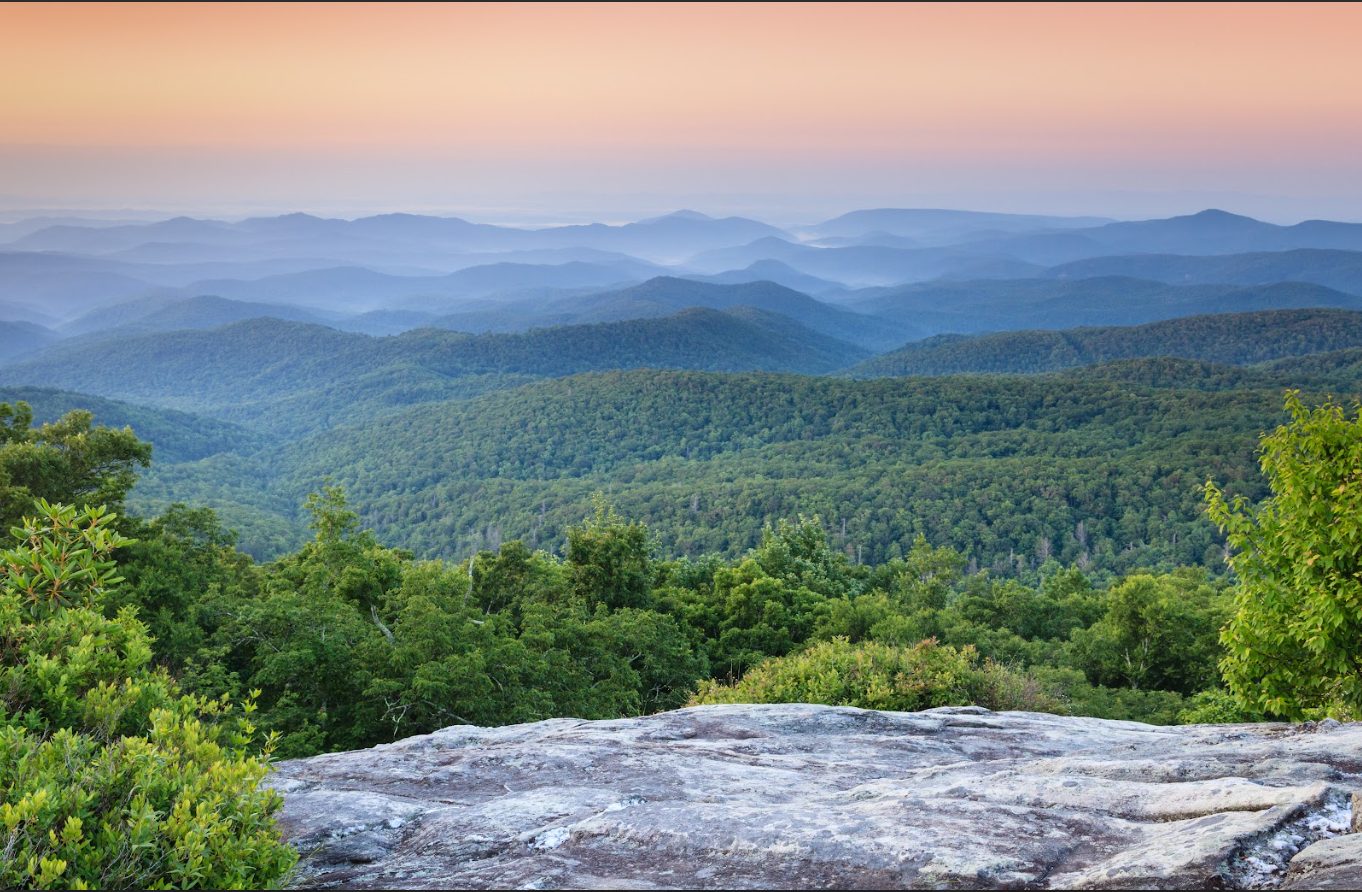
Buying a home in Western North Carolina comes with incredible rewards, beautiful landscapes, tight-knit communities, and unique properties, but it also comes with construction considerations many buyers do not expect. In this blog we will talk a little bit about how to spot quality construction before you buy.
As a local husband-and-wife real estate team, we believe buyers deserve more than surface-level advice. Jason’s background in residential construction, combined with Shannon’s focus on clear communication and client advocacy, allows us to help buyers think differently about homes, not just tour them.
Why Does Construction Quality Matter More in Western North Carolina?
Construction quality matters more in Western North Carolina because terrain, weather, and moisture can amplify small issues into expensive problems over time.
Homes here often sit on slopes, deal with heavier rainfall, and experience wider temperature swings than homes in flatter regions. These factors put added stress on foundations, drainage systems, roofs, and structural framing.
A home that looks fine at first glance may struggle long term if it was not designed or maintained with these conditions in mind.
What Makes Homes in Western North Carolina Different From Other Markets?
Homes in Western North Carolina are different because they must manage water, elevation, access, and long-term durability more carefully than homes in many other regions.
Buyers often encounter crawl spaces instead of basements, steep driveways, private wells, septic systems, and custom construction. These features are not bad, but they require a more informed evaluation.
According to the North Carolina Real Estate Commission, buyers should understand site-specific factors such as soil conditions, drainage, and access before committing to a purchase. Full guidance available at https://www.ncrec.gov.
What Should Buyers Look for When Touring a Home?
When touring a home, buyers should look beyond finishes and focus on signs of thoughtful construction and long-term performance.
Pay close attention to:
- How water is directed away from the home
- Visible foundation walls and crawl space access points
- Rooflines, flashing, and gutter placement
- Consistency in doors, windows, and flooring
These elements often reveal more about build quality than countertops or paint colors.
How Can You Spot Potential Structural Issues Early?
Buyers can often spot potential structural issues by watching for patterns rather than isolated flaws.
Cracks that repeat in multiple areas, sloping floors, doors that do not close properly, or signs of ongoing moisture are worth closer attention. One small issue may be cosmetic, but multiple signs together can indicate a deeper concern.
According to InterNACHI, moisture intrusion and foundation movement are two of the most common contributors to long-term structural damage. See https://www.nachi.org for inspection education resources.
What Red Flags Do Buyers Often Miss During Showings?
Buyers often miss red flags because they focus on aesthetics instead of function.
Commonly overlooked issues include:
- Poor drainage near the foundation
- Evidence of repeated repairs in the same area
- Inadequate ventilation in crawl spaces
- Recently finished areas that hide underlying problems
Most buyers are not trained to spot these details, which is why guidance matters early, not just after an offer is made.
Are Older Homes in Western North Carolina a Risk or an Opportunity?
Older homes in Western North Carolina can be either a risk or an opportunity, depending on how they were built and maintained.
Many older homes were constructed with high-quality materials and craftsmanship, but they may not meet modern standards for moisture control or insulation. The key is understanding what has been updated correctly and what still needs attention.
A thoughtful evaluation can reveal whether an older home offers long-term value or long-term expense.
What Does a Home Inspection Not Always Tell You?
A home inspection is critical, but it does not tell the full story.
Inspectors provide a snapshot of visible conditions at a specific moment. They typically do not evaluate long-term performance, design decisions, or future maintenance risk.
How Do Terrain, Drainage, and Weather Affect Construction Quality?
Terrain, drainage, and weather affect construction quality by increasing exposure to moisture and movement.
Improper grading or drainage can lead to foundation stress, crawl space moisture, and mold. In mountain environments, even small drainage mistakes can compound quickly.
FEMA guidance highlights water management as one of the most important factors in long-term structural performance. Reference https://www.fema.gov for building and mitigation resources.
Why Does Working With a Construction-Savvy Realtor Matter for Buyers?
Working with a construction-savvy realtor matters because issues are easier and less expensive to address before you buy.
When buyers understand how a home was built and how it is likely to perform, they can make confident decisions, negotiate intelligently, and avoid costly surprises after closing.
Our goal is not to talk buyers into a home. It is to help them buy the right home.
Conclusion
Buying a home in Western North Carolina should feel exciting, not uncertain. When you understand construction quality, terrain considerations, and long-term performance, you gain confidence and clarity.
If you want a second set of knowledgeable eyes before making a decision, or if you simply want to understand what you are really buying, we are happy to help.
Frequently Asked Questions
Should buyers be worried about older homes in Western North Carolina?
Not necessarily. Many older homes are well built, but buyers should understand how moisture, insulation, and drainage have been addressed over time.
Can a home pass inspection and still have major issues?
Yes. Inspections are limited to visible conditions and may not reveal long-term performance concerns or hidden design flaws.
What construction problems are common in mountain homes?
Common issues include poor drainage, crawl space moisture, foundation movement, and ventilation challenges.
Ready to Make Your Move in Western North Carolina?
We help buyers and sellers across Western North Carolina, including Haywood, Jackson, and Buncombe counties, move forward with clarity and confidence.
Jason Revelia
Call 828-342-1334 |
Email Jason
Shannon Revelia
Call 828-226-6767 |
Email Shannon
From Contract to Keys: A Step-by-Step Timeline for Homebuyers in North Carolina
From Contract to Keys: A Step-by-Step Timeline for Homebuyers in North Carolina
North Carolina has a unique real estate structure, including Due Diligence fees, attorney closings, and negotiated buyer agency agreements.
If you’re relocating from another state, be sure to read our full guide: (Buying a Home in North Carolina: What Makes the Process Different
You’re officially under contract.
The Due Diligence period is one of the most important phases of your purchase. There are multiple moving parts happening simultaneously — inspections, loan processing, appraisal, title work — all within defined timelines.
Below is a step-by-step breakdown of what happens next, who is responsible, and when it typically occurs.
Questions along the way? Email Revelia Property Solutions
Contract Signed (Effective Date)
Who: Buyer and Seller
What: All parties have signed the Offer to Purchase. The contract is now legally binding.
Why it matters: Deadlines begin counting from this date.
Initial Days After Contract Execution
Deliver Due Diligence Fee
Who: Buyer
What: Deliver the Due Diligence Fee directly to the seller as specified in the contract.
Timeframe: On the Effective Date (or next business day if signed after hours).
Important: The Due Diligence Fee is non-refundable.
This fee compensates the seller for taking the property off the market but does count towards the contract price of the home.
Deliver Earnest Money Deposit
Who: Buyer
What: Deliver Earnest Money to the escrow agent (often the closing attorney).
Timeframe: Typically within 2–3 business days of the Effective Date (check contract).
Important: Earnest Money is refundable during the Due Diligence period but becomes at risk after Due Diligence expires.
Loan Processing & Underwriting
Who: Buyer and Lender
What: Submit signed contract and all required documentation (income, assets, tax returns, etc.).
Timeframe: Begins immediately and continues throughout Due Diligence.
The smoother this step goes, the smoother closing tends to go.
Appraisal Ordered (If Financing and Lender Requires)
Who: Lender
What: Lender orders appraisal to determine market value.
Timeframe: ASAP after contract execution to allow time for review during Due Diligence.
If appraisal comes in low, options may include:
-
Renegotiation
-
Buyer bringing additional funds
-
Termination during Due Diligence
FHA Buyers: FHA appraisals also include a basic review of safety, soundness, and livability. Items such as peeling paint, missing handrails, roof concerns, or other visible condition issues may need to be repaired before closing. This can add another layer to negotiations and timing, so early inspections and quick lender communication are especially important.
Cash buyers do not receive an automatic appraisal unless they choose to order one independently.
Schedule Inspections
Who: Buyer
What: Schedule inspections, which may include:
-
General Home Inspection
-
Pest Inspection
-
Radon Testing (recommended in NC)
-
Septic Inspection (if applicable)
-
Well Water Testing (if applicable)
-
Specialty inspections (chimney, structural, etc.)
Timeframe: Ideally within the first week of Due Diligence.
Early scheduling provides time to review reports and negotiate if needed.
During Due Diligence
Title Search & Title Insurance
Who: Closing Attorney
What: Conduct title search to confirm clear ownership and identify liens or encumbrances. Title insurance policy prepared.
Timeframe: Typically initiated within the first week after contract execution.
Review Inspection Reports
Who: Buyer (with agent guidance)
What: Review findings and determine whether to request repairs, credits, or proceed as-is.
Timeframe: Must be addressed within the Due Diligence period.
Repairs are negotiated — not automatic. Seller is not required to address requested repairs.
Review Appraisal (If Applicable)
Who: Buyer and Agent
What: Compare appraised value to contract price.
If appraisal is lower than contract price, decisions must be made before Due Diligence expires.
Due Diligence Expiration
This is a critical milestone.
Once Due Diligence expires:
-
Earnest Money becomes non-refundable (absent breach or contractual protection).
-
Your financial commitment increases significantly.
After this point, walking away from the transaction typically means forfeiting Earnest Money.
Final Phase Before Closing
Utility Transfers
Who: Buyer
What: Contact utility providers (electric, water, gas, internet, trash) to schedule transfer of service.
Timeframe: Begin 1–2 weeks before closing.
“Clear to Close”
Who: Lender
What: Final loan approval issued. All underwriting conditions satisfied. Loan documents sent to closing attorney.
Timeframe: Typically a few days before closing.
Final Walk-Through
Who: Buyer (with agent)
What: Confirm property is in agreed condition and negotiated repairs are complete.
Timeframe: 1–2 days before closing.
This is not another inspection — it is confirmation of condition.
Closing Day
Who: Buyer, Seller, Closing Attorney
What: Sign loan documents, closing disclosures, and settlement paperwork.
Important North Carolina Note: You do not receive keys at the closing table. Ownership transfers only after the deed is officially recorded with the county.
Recording & Key Release
Who: Closing Attorney
What: Deed is recorded with the county register of deeds.
Once recording is confirmed:
-
Funds are disbursed
-
Keys are released
-
Possession transfers
Recording — not signing — is the legal moment of transfer in North Carolina.
Post-Closing
Who: Buyer
What:
-
Confirm utilities are active
-
Ensure homeowner’s insurance is in place
-
Secure documents for your records
Final Thoughts
Buying a home in North Carolina is structured and timeline-driven.
Understanding:
-
Due Diligence deadlines
-
Appraisal risk
-
Earnest Money exposure
-
Attorney closing procedures
-
Recording requirements
removes uncertainty from the process.
From contract to keys, each step has a purpose — and when you understand the sequence, the transaction feels far more manageable.
Ready to Make Your Move in Western North Carolina?
We help buyers and sellers across Western North Carolina, including Haywood, Jackson, and Buncombe counties, move forward with clarity and confidence.
Jason Revelia
Call 828-342-1334 | Email Jason
Shannon Revelia
Call 828-226-6767 | Email Shannon


