
 Facebook
 X
X
 Pinterest
 Copy Link
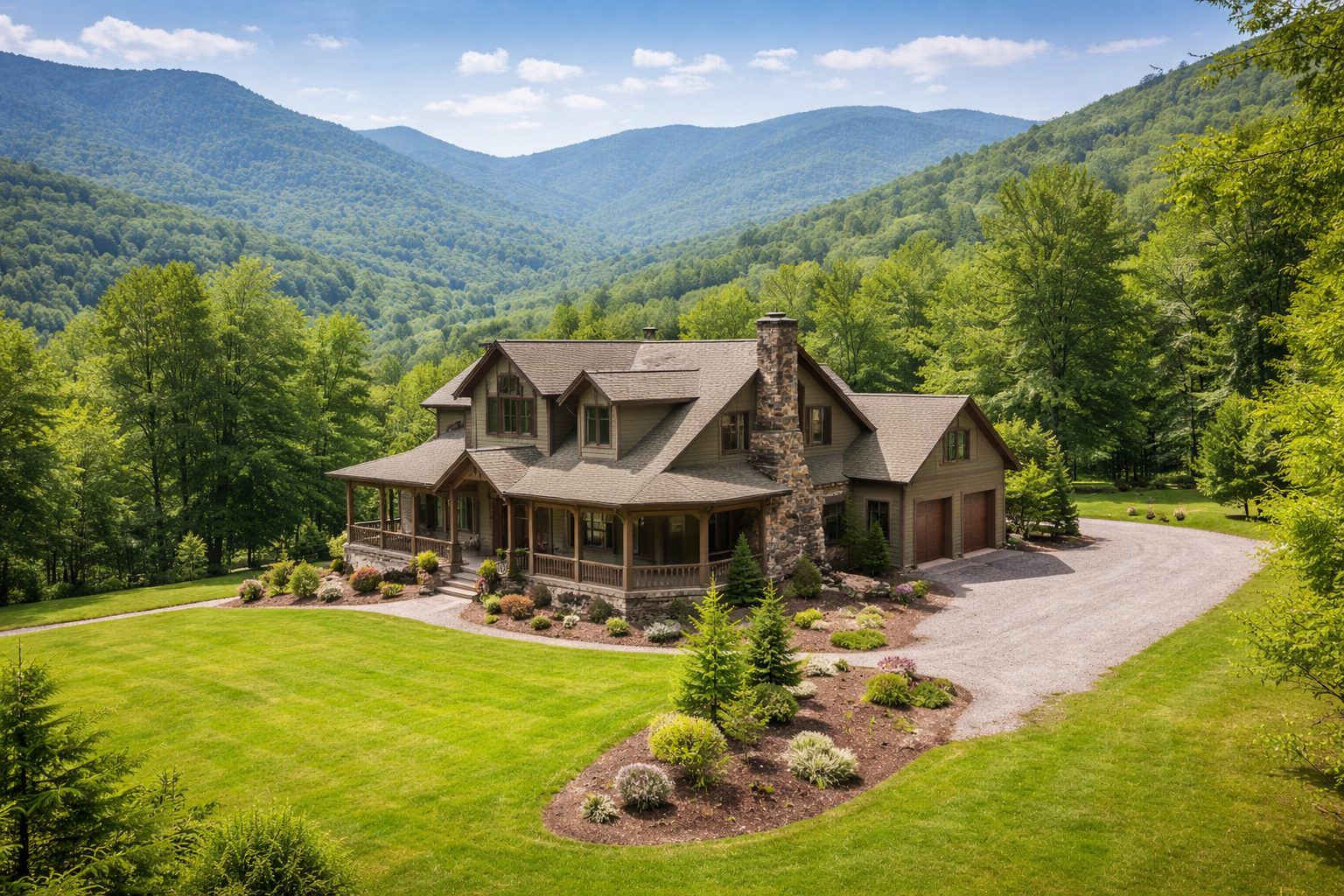
What to Know About Septic Systems When Buying a Home in Western North Carolina
Septic systems in western North Carolina are extremely common, especially in mountain properties outside municipal sewer lines. In fact, many buyers relocating to Western North Carolina are surprised to learn that public sewer access is the exception rather than the rule in rural and semi rural areas.
According to the U.S. Environmental Protection Agency, more than 20 percent of U.S. households rely on septic systems, and that percentage is significantly higher in rural mountain regions like ours. Source: https://www.epa.gov/septic
If you are buying in Haywood County, Jackson County, or surrounding areas, understanding how septic systems work and what to look for is not optional. It is essential. And this is where our contractor level insight makes a difference.
At Revelia Property Solutions, Jason brings over 20 years of hands on construction experience as a licensed general contractor, and together we have owned primary residences, vacation rentals, and long term rentals across Western North Carolina. We evaluate septic systems with real world experience, not surface level advice.
Let’s walk through what you need to know before you buy.
How Common Are Septic Systems in Haywood County and Western North Carolina?
Septic systems are the norm in Haywood County and many surrounding mountain communities.
Outside of towns like Waynesville and parts of Canton, most properties rely on private septic systems because installing municipal sewer infrastructure across mountainous terrain is expensive and logistically complex. According to the North Carolina Department of Health and Human Services, local environmental health departments regulate on site wastewater systems across the state. Source: https://ehs.dph.ncdhhs.gov/oswp/
In areas like Maggie Valley, Clyde, Lake Junaluska outskirts, and rural Jackson County, septic systems are extremely common. The same applies to much of Macon County and Rutherford County in rural settings.
If you are relocating from a metropolitan area with city sewer, this is often one of the biggest learning curves.
How Do Septic Systems Work in Mountain Properties?
A septic system collects wastewater from the home, separates solids from liquids in a tank, and then disperses treated liquid into a drain field where it filters through soil.
The system typically includes: • A septic tank • Distribution box • Drain field or leach field • Soil absorption area
In mountain properties, slope and soil composition matter significantly. Western North Carolina often has clay heavy soils, rocky terrain, and steep grades. These factors affect how wastewater disperses and how well the system performs long term.
The North Carolina Cooperative Extension explains that soil type and drainage capacity determine whether a site can support a conventional system or requires an engineered alternative. Source: https://content.ces.ncsu.edu/septic-systems-and-their-maintenance
This is where contractor insight matters. We look at grading, water flow patterns, and proximity to retaining walls or driveways. Most buyers do not think about how mountain runoff impacts a drain field.

What Red Flags Should Buyers Watch for During a Showing?
Buyers should watch for surface indicators that may suggest septic stress or failure.
Here are common warning signs: • Standing water near the drain field • Strong sewage odors outside • Lush bright green grass in one isolated area • Slow draining sinks or toilets • Evidence of recent soil disturbance over the field
Many of these issues were touched on in our Red Flags Buyers Miss When Touring Homes in Western North Carolina blog (https://reveliapropertysolutions.com/2026/02/10/red-flags-buyers-miss-when-touring-homes-in-western-north-carolina ) but septic deserves deeper attention.
As a licensed general contractor, Jason often looks for grading issues that channel water toward the drain field. Mountain properties are especially vulnerable to improper runoff management.
If water is consistently saturating the soil above the field, system longevity decreases.
Do You Need a Septic Inspection in Haywood County?
Yes, a septic inspection is strongly recommended and often required depending on loan type.
FHA and VA loans frequently require certification that the system is functioning properly. FHA guidance can be reviewed through HUD documentation here: https://www.hud.gov/program_offices/housing/sfh/handbook_4000-1
Beyond loan requirements, a septic inspection provides: • Tank condition evaluation • Baffle inspection • Pumping history review • Drain field performance assessment
Haywood County Environmental Health oversees permitting and records. Buyers can request septic permit history through the county. Source: https://www.haywoodcountync.gov/150/Environmental-Health
We help our buyers obtain records early in the process so there are no surprises after due diligence deadlines.
How Much Does It Cost to Repair or Replace a Septic System in Western North Carolina?
Septic replacement costs in Western North Carolina range greatly depending on system type, soil conditions, and site accessibility (base ballpark is typically around $10,000).
Engineered systems required for difficult soil or slope conditions can exceed that range. Factors that impact cost include: • Tank size • System design • Excavation complexity • Permit fees • Drain field length
The Environmental Protection Agency notes that proper maintenance significantly extends system life, often 20 to 40 years depending on care. Source: https://www.epa.gov/septic/septic-systems-overview
Understanding replacement risk affects negotiation strategy. If a system is near end of life, that should factor into pricing discussions.

How Septic Capacity Impacts Short Term Rental Potential
Septic permit capacity directly limits legal bedroom count.
If a septic permit is for three bedrooms, you cannot legally advertise or operate as a four bedroom short term rental without upgrading the system. This is critical in areas like Maggie Valley and parts of Haywood County where vacation rentals are common.
Investors often overlook this detail. The septic permit dictates occupancy, not the number of rooms with beds.
We review septic permits with our investor clients before they make an offer. It is far better to confirm capacity upfront than discover limitations after closing.
What a Licensed General Contractor Notices That Most Buyers Miss
A contractor evaluates the entire ecosystem around the septic system, not just the tank.
Jason looks for: • Drainage flow patterns • Soil erosion near the field • Driveway placement over lines • Additions built without updated permits • Retaining walls altering water direction
Mountain construction is complex. A system that technically works today could be compromised by improper grading or surface water issues tomorrow.
This is part of what we mean by buying with eyes wide open.
How Revelia Property Solutions Helps You Evaluate Septic Systems With Confidence
We guide buyers through a structured evaluation process that includes permit review, contractor perspective, and inspection coordination.
Our approach includes: • Pulling septic records early • Reviewing bedroom count versus permit capacity • Coordinating specialized inspections • Evaluating grading and runoff patterns • Factoring system age into negotiation strategy
Because we live, work, and invest in Haywood County and surrounding communities, we understand the realities of mountain infrastructure. We are not just helping you buy a house. We are helping you make a sound long term decision.
Frequently Asked Questions
How long does a septic system last in North Carolina? Most septic systems last between 20 and 40 years depending on soil conditions, maintenance, and usage. Regular pumping and proper water management significantly extend lifespan.
Are septic inspections required for FHA or VA loans? Often yes. Many FHA and VA loans require documentation that the septic system is functioning properly before closing.
Can you increase septic capacity in Haywood County? Possibly, but it depends on soil suitability and lot size. Environmental Health must approve any expansion, and some lots cannot support additional capacity.
Who regulates septic systems in Western North Carolina? County Environmental Health departments regulate septic permitting and compliance under North Carolina Department of Health guidelines.
What happens if there is no recorded septic permit? If no permit exists, further investigation is required. In some cases, systems were installed before digital record keeping. In others, unpermitted installations can create legal and resale challenges.
Conclusion
Buying a home with a septic system in Haywood County is normal. Ignoring how that system functions is not.
With the right evaluation process, septic ownership is manageable and predictable. Without it, repairs can be expensive and stressful.
At Revelia Property Solutions, we combine contractor insight with local real estate expertise to help you move forward confidently.
Ready to make a smart move in Haywood County or surrounding Western North Carolina communities? Contact Revelia Property Solutions today and let’s evaluate your next home with clarity and confidence.

Ready to Make Your Move in Western North Carolina?
We help buyers and sellers across Western North Carolina, including Haywood, Jackson, and Buncombe counties, move forward with clarity and confidence.
Jason Revelia
Call 828-342-1334 |
Email Jason
Shannon Revelia
Call 828-226-6767 |
Email Shannon


