
 Facebook
 X
X
 Pinterest
 Copy Link
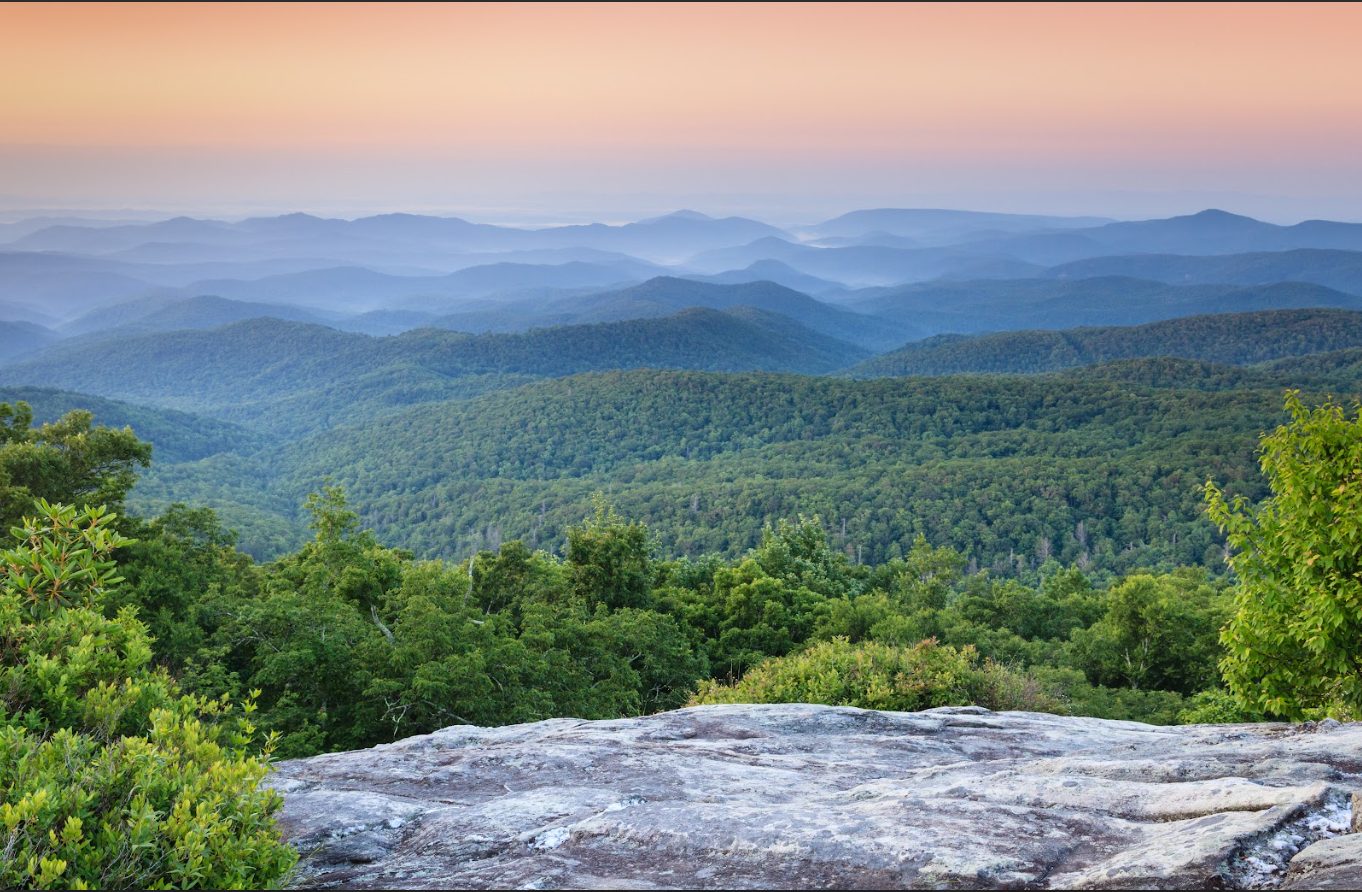
Buying a home in Western North Carolina comes with incredible rewards, beautiful landscapes, tight-knit communities, and unique properties, but it also comes with construction considerations many buyers do not expect. In this blog we will talk a little bit about how to spot quality construction before you buy.
As a local husband-and-wife real estate team, we believe buyers deserve more than surface-level advice. Jason’s background in residential construction, combined with Shannon’s focus on clear communication and client advocacy, allows us to help buyers think differently about homes, not just tour them.
Why Does Construction Quality Matter More in Western North Carolina?
Construction quality matters more in Western North Carolina because terrain, weather, and moisture can amplify small issues into expensive problems over time.
Homes here often sit on slopes, deal with heavier rainfall, and experience wider temperature swings than homes in flatter regions. These factors put added stress on foundations, drainage systems, roofs, and structural framing.
A home that looks fine at first glance may struggle long term if it was not designed or maintained with these conditions in mind.
What Makes Homes in Western North Carolina Different From Other Markets?
Homes in Western North Carolina are different because they must manage water, elevation, access, and long-term durability more carefully than homes in many other regions.
Buyers often encounter crawl spaces instead of basements, steep driveways, private wells, septic systems, and custom construction. These features are not bad, but they require a more informed evaluation.
According to the North Carolina Real Estate Commission, buyers should understand site-specific factors such as soil conditions, drainage, and access before committing to a purchase. Full guidance available at https://www.ncrec.gov.
What Should Buyers Look for When Touring a Home?
When touring a home, buyers should look beyond finishes and focus on signs of thoughtful construction and long-term performance.
Pay close attention to:
- How water is directed away from the home
- Visible foundation walls and crawl space access points
- Rooflines, flashing, and gutter placement
- Consistency in doors, windows, and flooring
These elements often reveal more about build quality than countertops or paint colors.
How Can You Spot Potential Structural Issues Early?
Buyers can often spot potential structural issues by watching for patterns rather than isolated flaws.
Cracks that repeat in multiple areas, sloping floors, doors that do not close properly, or signs of ongoing moisture are worth closer attention. One small issue may be cosmetic, but multiple signs together can indicate a deeper concern.
According to InterNACHI, moisture intrusion and foundation movement are two of the most common contributors to long-term structural damage. See https://www.nachi.org for inspection education resources.
What Red Flags Do Buyers Often Miss During Showings?
Buyers often miss red flags because they focus on aesthetics instead of function.
Commonly overlooked issues include:
- Poor drainage near the foundation
- Evidence of repeated repairs in the same area
- Inadequate ventilation in crawl spaces
- Recently finished areas that hide underlying problems
Most buyers are not trained to spot these details, which is why guidance matters early, not just after an offer is made.
Are Older Homes in Western North Carolina a Risk or an Opportunity?
Older homes in Western North Carolina can be either a risk or an opportunity, depending on how they were built and maintained.
Many older homes were constructed with high-quality materials and craftsmanship, but they may not meet modern standards for moisture control or insulation. The key is understanding what has been updated correctly and what still needs attention.
A thoughtful evaluation can reveal whether an older home offers long-term value or long-term expense.
What Does a Home Inspection Not Always Tell You?
A home inspection is critical, but it does not tell the full story.
Inspectors provide a snapshot of visible conditions at a specific moment. They typically do not evaluate long-term performance, design decisions, or future maintenance risk.
How Do Terrain, Drainage, and Weather Affect Construction Quality?
Terrain, drainage, and weather affect construction quality by increasing exposure to moisture and movement.
Improper grading or drainage can lead to foundation stress, crawl space moisture, and mold. In mountain environments, even small drainage mistakes can compound quickly.
FEMA guidance highlights water management as one of the most important factors in long-term structural performance. Reference https://www.fema.gov for building and mitigation resources.
Why Does Working With a Construction-Savvy Realtor Matter for Buyers?
Working with a construction-savvy realtor matters because issues are easier and less expensive to address before you buy.
When buyers understand how a home was built and how it is likely to perform, they can make confident decisions, negotiate intelligently, and avoid costly surprises after closing.
Our goal is not to talk buyers into a home. It is to help them buy the right home.
Conclusion
Buying a home in Western North Carolina should feel exciting, not uncertain. When you understand construction quality, terrain considerations, and long-term performance, you gain confidence and clarity.
If you want a second set of knowledgeable eyes before making a decision, or if you simply want to understand what you are really buying, we are happy to help.
Frequently Asked Questions
Should buyers be worried about older homes in Western North Carolina?
Not necessarily. Many older homes are well built, but buyers should understand how moisture, insulation, and drainage have been addressed over time.
Can a home pass inspection and still have major issues?
Yes. Inspections are limited to visible conditions and may not reveal long-term performance concerns or hidden design flaws.
What construction problems are common in mountain homes?
Common issues include poor drainage, crawl space moisture, foundation movement, and ventilation challenges.

Ready to Make Your Move in Western North Carolina?
We help buyers and sellers across Western North Carolina, including Haywood, Jackson, and Buncombe counties, move forward with clarity and confidence.
Jason Revelia
Call 828-342-1334 |
Email Jason
Shannon Revelia
Call 828-226-6767 |
Email Shannon


